


Originally published: 3 August 2013
Last updated: 29 July 2026
Written and reviewed by: Mark Johnson.
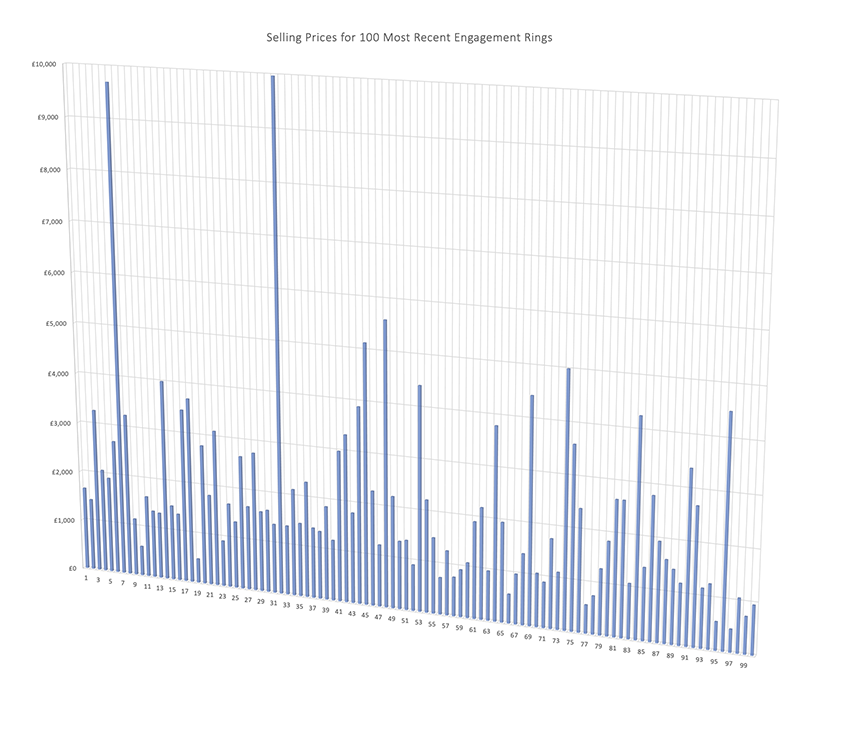
Based on recent sales at Serendipity Diamonds, £1,500 is the median engagement-ring budget in 2026 — the middle value across all completed orders in our sample. The arithmetic mean was higher, at approximately £2,000, pulled upward by a smaller number of high-value commissions. Most orders fell between £1,000 and £2,000, with the full range spanning roughly £600 to £10,000.
The gap between the two averages matters. The median tells you what a typical customer actually spent; the mean gets dragged upward by a handful of five-figure bespoke pieces. For anyone budgeting, the median is the more useful number.
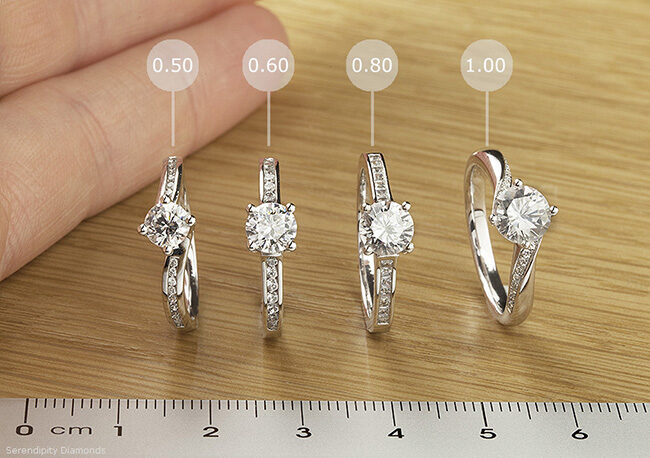
One combination has stood out this year: a Platinum solitaire set with a one-carat lab-grown diamond, which now regularly appears near the £1,500 mark — a centre stone size that would cost several times more in a natural diamond.
“Our sales show that there is no correct amount to spend on an engagement ring. Most of our clients choose a ring between £1,000 and £2,000, but the right budget depends on the buyer’s circumstances, the type of diamond and the design of the ring.” — Mark Johnson, Founder of Serendipity Diamonds
Engagement-ring prices at a glance
| Question | Our 2026 finding |
|---|---|
| Median engagement-ring budget | £1,500 |
| Arithmetic mean | £2,000 |
| Most common price range | £1,000–£2,000 |
| Full range observed | £600–£10,000 |
| Popular combination | 1ct lab-grown diamond, Platinum |
| Biggest price drivers | Diamond origin, carat, quality, metal, design |
These figures describe purchases made through Serendipity Diamonds, not a survey of the UK market. But they’re real transactions with an independent British jeweller, not a marketing estimate — which is a different and, we’d argue, more useful kind of number.
How we calculated it
This analysis is based on 100 completed engagement-ring orders placed between June 2025 and June 2026.
Quoted prices include all setting, finishing work and VAT. We excluded empty ring mount orders and loose diamond orders.
We looked at three measures:
- Median — the middle order when every purchase is ranked by price. This is what we mean by “typical.”
- Arithmetic mean — the total spent divided by the number of orders. Skewed upward by a small number of expensive commissions.
- Most common price band — where purchases actually clustered.
The median and the price band tend to agree with each other and disagree with the mean — which is normal for a market where most spend is modest but a minority spend a lot.
What £1,500 actually buys
At the median purchase price, buyers have real choice:
- A Platinum solitaire with a one-carat lab-grown diamond
- A larger lab-grown diamond in a simpler 9ct or 18ct gold setting
- A smaller certified natural diamond in gold or Platinum
- A diamond cluster or halo design
- A coloured gemstone ring with diamond shoulders
- A pre-loved or vintage ring
- A simple bespoke design
Spend the same £1,500 on a natural stone instead, and you’ll typically trade down on one or more of: centre stone size, colour/clarity grade, or metal.
Price bands: what changes as budget increases
Under £1,000 — A modest lab-grown solitaire, a smaller natural diamond in 9ct gold, a cluster ring, a coloured gemstone, or a refurbished pre-loved piece. Choosing a lighter metal or a simpler setting puts more of the budget into the stone itself.
£1,000–£1,500 — Real freedom over a lab-grown diamond’s size and spec: Platinum or 18ct gold, halo settings, oval/pear/cushion/round shapes, or a smaller certified natural diamond. A one-carat lab-grown stone in Platinum sits comfortably near the top of this band.
£1,500–£2,000 — Where most of our orders land. One carat or larger in lab-grown, diamond-set shoulders, trilogy or hidden-halo designs, bespoke alterations, or a natural diamond with better colour/clarity/cut than the band below allows.
£2,000–£3,000 — Larger lab-grown solitaires, bespoke commissions, diamond-set bands, three-stone rings, higher-quality natural diamonds, or coloured diamonds and premium gemstones. Setting complexity starts to matter as much as the stone.
Above £5,000 — Where most one-carat natural diamond rings sit, with price varying hugely by cut, colour, clarity, certification and fluorescence. Two one-carat natural diamonds can differ enormously in both price and appearance — carat weight alone tells you almost nothing.
Natural vs lab-grown: same material, different economics
Chemically and structurally, a lab-grown diamond is a diamond — grown under controlled conditions rather than formed underground, not a substitute like cubic zirconia. The price gap isn’t a discount on an identical product; it reflects a different origin and a different supply chain entirely.
| Detail | Natural | Lab-grown |
|---|---|---|
| Origin | Formed underground | Grown in controlled conditions |
| Material | Diamond | Diamond |
| Typical price | Higher | Lower |
| Size per £ | Smaller | Larger |
| Supply | Limited natural resource | Manufactured |
| Best for | Buyers who value rarity and geological origin | Buyers prioritising size and visual impact |
Neither is objectively better — it depends what the buyer is actually paying for.
Why buying habits have shifted
Lab-grown diamonds have changed the conversation more than the price list. A £1,000–£2,000 budget used to force a choice between size and quality. Now buyers weigh questions like:
- Natural or lab-grown?
- Is size or rarity the priority?
- Spend more on the setting instead?
- Which shape reads largest on the hand?
- Platinum or gold?
We’ve also seen a real uptick in oval, pear and cushion shapes, which can look larger across the finger than a round diamond of equivalent carat weight — worth knowing before carat weight becomes the only variable someone shops on.
What actually drives the price
| Factor | Effect |
|---|---|
| Natural vs lab-grown | Natural costs considerably more |
| Carat weight | Bigger generally costs more |
| Cut quality | Better cutting can cost more and look better |
| Colour grade | Less visible colour = higher price (white diamonds) |
| Clarity grade | Fewer inclusions = higher price |
| Shape | Some shapes command a premium per carat |
| Certification | Independently graded stones often cost more |
| Metal | Platinum and 18ct gold cost more than 9ct |
| Setting complexity | Halos, trilogies and shoulder stones all add cost |
A simple solitaire remains one of the most cost-effective ways to show off a diamond — fewer components, less bench time, less metal. That’s not a reason to always choose one; a well-made setting needs to hold the stone securely and wear well for decades, and the cheapest option isn’t automatically the best value.
How does this compare to UK earnings?
ONS estimated average weekly earnings in Great Britain at £749 (total pay) and £699 (regular pay) in May 2026 — roughly £3,029 gross per month on regular pay alone.
- A £1,500 ring ≈ half a month’s average gross regular pay
- A £2,000 ring ≈ two-thirds of a month’s average gross regular pay
That’s a comparison, not a recommendation — average earnings won’t match any individual buyer’s actual circumstances.
How much should you spend on your engagement ring?
The following chart shows 100 of our most recent engagement ring sales from June 2025 and June 2026. Notice how the majority of sales fall between £ 1,000 and £ 2,000.
Should you spend “one month’s salary”?
No fixed percentage of income should set your budget. The one-to-three-months’-salary idea traces back to twentieth-century diamond advertising, not to any financial logic, and it shouldn’t pressure anyone to spend beyond their means.
A more grounded budget accounts for savings, existing debt, housing costs, other monthly commitments, job security, wedding costs, an emergency buffer, and whether finance would be needed at all.
A practical way to set your budget
- Set a comfortable ceiling — an amount that doesn’t touch money earmarked for essentials.
- Decide what matters most — natural stone, larger lab-grown stone, Platinum, a particular shape, a bespoke design, higher colour/clarity, UK manufacture, or fitting a future wedding ring.
- Compare complete prices — diamond, setting, VAT, sizing and any extras together. A cheap-looking diamond price can lose its edge once everything else is added.
Financing
Some buyers spread the cost through finance. Any application is subject to eligibility, approval and the provider’s terms — and finance shouldn’t be used just to hit a target that feels traditionally “right.” Before applying, weigh the monthly repayment, the term, any interest or fees, existing borrowing, and what happens if income changes. Also worth asking: would a smaller ring, bought outright, actually suit you better?
FAQ
What is the average engagement-ring price in the UK in 2026? Based on Serendipity Diamonds sales, the median purchase price is around £1,500, with an arithmetic mean of approximately £2,000. These describe our own customers, not the whole UK market.
What’s the most common budget range? £1,000–£2,000 in our recent sample.
Can I get a good ring for £1,500? Yes — commonly a Platinum ring with a one-carat lab-grown diamond, a smaller natural diamond, or a more detailed design using several smaller stones.
Is a lab-grown diamond a “real” diamond? Yes. Same chemical composition and crystal structure as a natural diamond. Its lab origin should always be disclosed clearly.
Do I need to spend a month’s (or three months’) salary? No — that’s a marketing convention, not a rule.
Natural or lab-grown — which is better? Depends on priorities: natural for rarity and origin, lab-grown for size per pound spent. Both make genuinely good rings.
Diamond first or setting first? Either works. With a fixed budget, choosing the setting first and then comparing diamonds that fit what’s left is often easier to reason about.
Can a ring be built to a specific budget? Yes — a jeweller can adjust stone size, quality, metal and design to hit a stated maximum.
Our conclusion
There’s no single “right” amount to spend on an engagement ring. Based on our sales, £1,500 is a realistic median, and £2,000 the mean once higher-value commissions are counted — with most customers landing between £1,000 and £2,000.
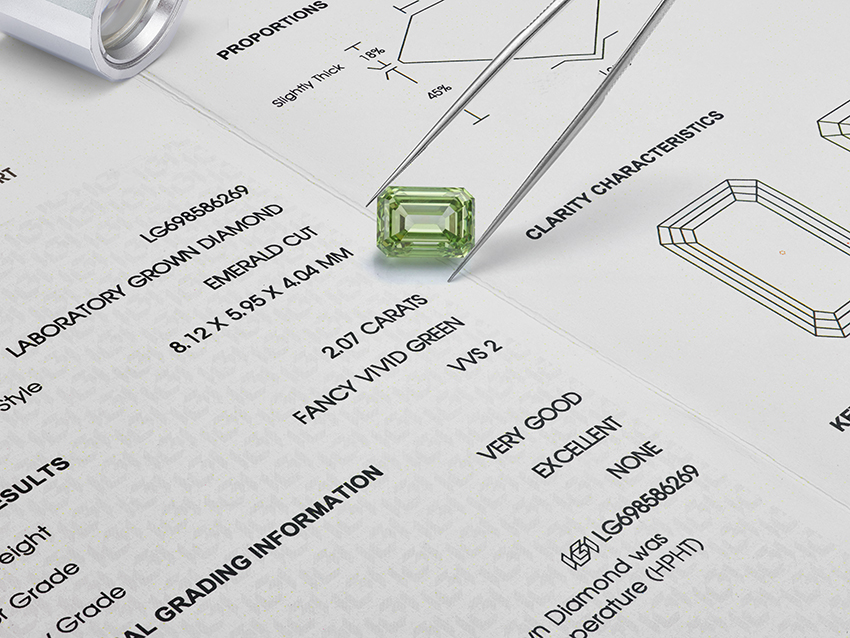
Lab-grown diamonds have widened what that money buys. A one-carat lab-grown stone in Platinum has become one of the most requested combinations this year, while natural diamonds still hold real appeal for buyers who value rarity and origin.
The best ring isn’t the biggest stone or the highest price tag — it’s one that suits the wearer, is properly made, and doesn’t create financial strain to buy.
About Mark Johnson
Mark founded Isle of Wight jewellers Serendipity Diamonds in 2007 after a career on the polished diamonds industry. Today he works in the Serendipity showroom, helping clients with jewellery, creating handmade designs and updating their two jewellery websites SerendipityDiamonds.com and Isle-of-Wight-Jewellery.co.uk